




More and more people have been coming to me with questions about thyroid health. I understand how frustrating it can be when you don’t feel like yourself and you’re still looking for answers.
It took me 12 years to feel that a doctor truly listened to me. I changed doctors a few times before finding one who took my concerns seriously and was open to discussing my interest in a more natural approach alongside medical care. I wanted someone who would help me understand what was happening instead of writing off my concerns as simply getting older.
That experience is why I encourage you to ask questions, understand your results and keep speaking up about how you feel.
Looking at the Whole Picture
Thyroid health can involve more than one issue. Hashimoto’s disease, for example, is an autoimmune condition that can cause an underactive thyroid. People with Hashimoto’s may also have other autoimmune conditions, making your personal and family medical history an important part of the conversation.
Feeling tired or unlike yourself doesn’t automatically mean you have a thyroid problem. Symptoms can have several causes. Your healthcare provider can help look at the whole picture and decide what needs further attention.
Before an appointment, write down what you’ve noticed, when it started and how it affects your everyday life. Bring a list of your medications and supplements, along with any previous test results you have.
Questions to Bring to Your Doctor
You don’t need to know all the medical terminology to have a meaningful conversation. This checklist can help you get started:
- Which thyroid tests make sense for me? TSH is commonly the first test. Ask whether free T4 would also be useful.
- Could an autoimmune thyroid condition be involved? Ask whether thyroid antibody testing is appropriate for your symptoms and history.
- Would T3 testing add useful information? It is helpful in some situations, particularly when an overactive thyroid is suspected, but is not routinely useful for evaluating an underactive thyroid.
- What do my results mean? Ask how they fit with your symptoms and what follow-up is recommended.
- Could my medications or supplements affect testing? Biotin, which may be included in B complexes and hair, skin and nail supplements, can interfere with some thyroid tests. Ask your provider how to prepare.
*** This is a conversation guide. Your doctor can determine which tests are appropriate for you.
Don’t Overlook Iron
Iron is another topic worth discussing, particularly if you’re experiencing persistent fatigue. Ask whether ferritin, transferrin saturation and other iron studies would help your provider understand your symptoms.
Ferritin helps assess the iron stored in your body. Transferrin saturation measures the percentage of the iron-carrying protein transferrin that is bound to iron. These results provide different pieces of information and should be interpreted together with your medical history and other findings.
Low iron and excess iron can both cause problems, so check with your healthcare provider before starting an iron supplement.
A Thoughtful Approach to Supplements
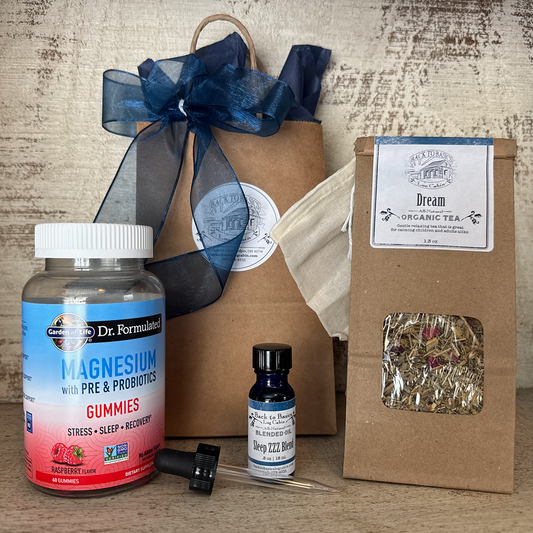
At Back to Basics Log Cabin, we carry supplements for a range of nutritional needs, including iron bisglycinate with vitamin C, B complexes, creatine, probiotics, digestive enzymes and several forms of magnesium.
I’ve noticed a difference in how I feel with my own supplement routine. That is my personal experience, and everyone’s needs are different. The products I take may not be appropriate for someone else.
Before adding a supplement, talk with your healthcare provider or pharmacist about whether it fits your needs and medications. Iron, for example, can interfere with levothyroxine absorption and needs to be taken at least four hours apart from that medication.
You Deserve to Feel Heard
If you’re still searching for answers, keep asking questions. Ask what the next step should be if your symptoms continue, and consider a second opinion if you feel your concerns haven’t been addressed.
At Back to Basics Log Cabin, we’re happy to listen and walk you through the supplements we carry, including their ingredients and labels, so you can discuss options with your healthcare provider.
Stop in and see us Wednesday through Saturday, 10–5.
*** This article shares personal experience and general education. It does not replace medical advice, diagnosis or treatment. Supplements do not replace prescribed thyroid medication.


